Coquitlam Scrap Car Removal
How Canadian Bitcoin Casinos Are Addressing Responsible Gambling in 2026: Safety Standards, Self-Exclusion Tools, and Regulatory Oversight
How Canadian Bitcoin Casinos Are Addressing Responsible Gambling in 2026: Safety Standards, Self-Exclusion Tools, and Regulatory Oversight

I've spent a lot of time over the past year talking to players, operators, and a few people who work in compliance, and one thing has become obvious: Bitcoin casinos aren't a niche curiosity in Canada anymore. They're mainstream. Faster withdrawals, lower fees, and a level of privacy that traditional banking rails just can't match have pulled a huge wave of Canadian players toward crypto gambling platforms in 2026. But that growth has brought a quieter, more important conversation along with it — how do you protect players when the entire payment system is built around speed and anonymity? That tension between convenience and safety is really what this article is about.
The Rise of Bitcoin Casinos in Canada's Online Gambling Market
It's not hard to see why Canadians have gravitated toward crypto gambling. Transactions settle in minutes instead of days, there's no waiting on a credit card processor to approve a deposit, and players get access to global platforms that aren't limited by provincial payment restrictions. For a lot of people, it just feels like a more modern way to gamble online.
The problem is that this shift happened fast — faster than some of the regulatory frameworks built for traditional fiat-based gambling could keep up with. Provinces spent years refining rules around bank transfers, e-wallets, and credit cards. Crypto arrived and sort of sidestepped a lot of that infrastructure, which created real opportunity for innovation but also opened the door to operators who weren't particularly interested in player protection.
What Makes Bitcoin Casinos Different from Traditional Online Casinos
At a technical level, Bitcoin casinos run on blockchain-based transactions rather than traditional banking networks. Many also use provably fair gaming systems, which let players verify that a game's outcome wasn't manipulated — something you simply can't do with most standard online slots or table games. Add in decentralized payment rails that don't route through a single financial institution, and you get a gambling environment that's faster, more transparent in some ways, but also harder to monitor from a regulatory standpoint.
Why Responsible Gambling Is Harder to Enforce in Crypto Environments
Here's the honest challenge: pseudonymous wallets make it difficult to tie gambling activity to a single, verified person the way a bank account would. Operators based outside Canada can accept Canadian players without being subject to provincial oversight. And because crypto transactions don't always show up neatly in one place, it's genuinely harder for both platforms and players themselves to track cumulative spending over time.
There's also something I'd call the 'invisible transaction' effect. When you're moving fiat currency, you see the number drop in your bank app and it stings a little. With crypto, especially when prices are moving, the sense of loss can feel more abstract — which can quietly mask the early signs of problem gambling behavior.
Regulatory Oversight and Safety Standards for Canadian Bitcoin Casinos in 2026
The good news is that regulators haven't just thrown up their hands. Provincial bodies like AGCO and iGaming Ontario have been actively updating licensing frameworks to account for crypto operators, requiring the same responsible gambling commitments regardless of whether a player deposits with a credit card or Bitcoin. KYC and AML compliance, which used to feel almost incompatible with crypto's privacy-first culture, is now becoming a standard expectation for any platform that wants to operate legitimately in the Canadian market.
What's encouraging is seeing legitimate operators lean into this rather than resist it. Reputable bitcoin casinos are increasingly aligning their internal policies with guidance from oversight bodies and industry associations that focus specifically on safety standards, harm prevention, and enforcement practices relevant to Canada's gambling sector. It's a sign that the industry is maturing past the 'wild west' phase crypto gambling had a reputation for just a few years back.
Licensing Requirements Specific to Crypto Gambling Platforms
Licensed operators, regardless of payment method, are still bound by the same provincial and territorial mandates around responsible gambling messaging, age verification, and player protection tools. In practice, this means a crypto casino operating legally in Canada has to meet the same bar as any fiat platform — the currency changes, but the obligations don't.
Self-Exclusion Tools and Player Protection Mechanisms
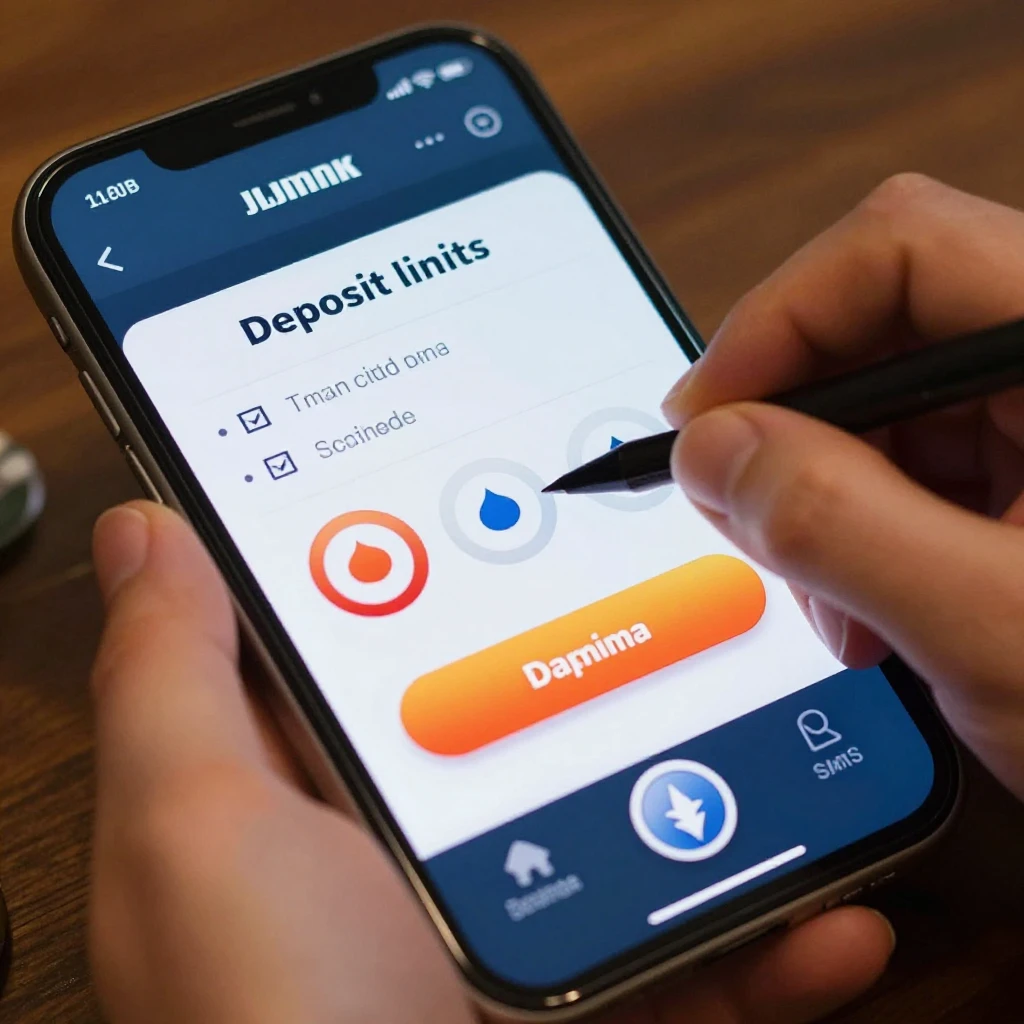
This is where I've seen the most tangible progress. Canadian-facing Bitcoin casinos are rolling out deposit limits, cooling-off periods, and self-exclusion registries that function similarly to what you'd find on a traditional platform. Some are even experimenting with wallet-tracking technology designed to flag unusual betting patterns, even when the wallet itself remains pseudonymous.
Several operators are also working toward integration with national and provincial self-exclusion programs, allowing players who've opted out of gambling elsewhere to be recognized across platforms. It's not perfect yet — cross-border crypto makes universal enforcement genuinely difficult — but the direction is encouraging.
Best Practices for Responsible Bitcoin Gambling
If you're gambling with crypto in Canada this year, a few habits go a long way:
- Set personal deposit and loss limits before you start playing, not after you've already had a rough session.
- Stick to licensed, provincially recognized platforms rather than chasing bonuses on unregulated offshore sites.
- Use blockchain explorers to actually track your transaction history — it's one of the few upsides of crypto's transparency.
- Learn to recognize early warning signs of problem gambling, like chasing losses or gambling to escape stress, before they become patterns.
Common Mistakes Canadian Players Make with Crypto Gambling
I see the same mistakes repeated often. Players ignore self-exclusion tools because crypto feels 'separate' from their regular financial life. Others gamble on unlicensed offshore platforms simply because the bonuses look better, without realizing there's little recourse if something goes wrong. Volatility is another underestimated risk — a deposit that felt reasonable in fiat terms can swing in value mid-session. And because crypto transactions are often spread across multiple wallets or platforms, players frequently lose track of how much they've actually spent over weeks or months.
Canadian Bitcoin casinos are clearly evolving in 2026, trying to balance the speed and privacy that made crypto gambling appealing in the first place with the kind of player protections that responsible gambling demands. Stronger regulatory alignment, smarter self-exclusion technology, and industry-wide safety standards are all moving in the right direction. But none of that replaces personal awareness. Responsible gambling in this space is still a shared job — regulators setting the rules, operators building the tools, and players actually using them.
Get In Touch
Location
Coquitlam BC
Hours
Mon: 24 Hours
Tue: 24 Hours
Wed: 24 Hours
Thu: 24 Hours
Fri: 24 Hours
Sat: 24 Hours
Sun: 24 Hours